
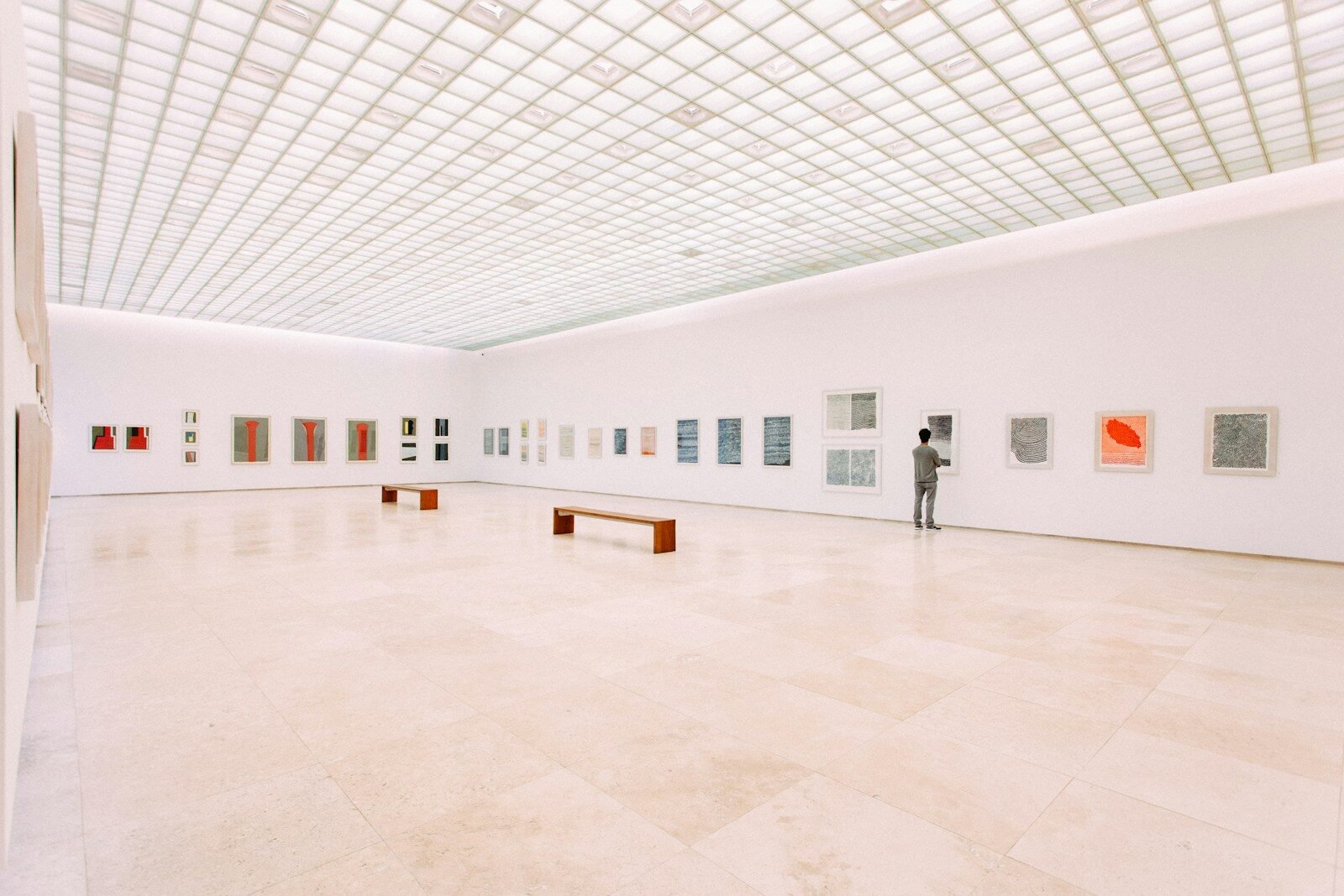
Listen Closely—The Paintings Are Finally Speaking: A Museum’s Bold Experiment Lets Sound Rewrite What Abstract Art Can Feel Like
A quieter, more sensory approach to exhibition design takes shape this spring as the Clyfford Still Museum introduces Still in Sound, a multisensory presentation opening May 16. The project reconsiders how abstract art can be experienced, shifting the focus from purely visual interpretation to a more immersive, atmospheric encounter.
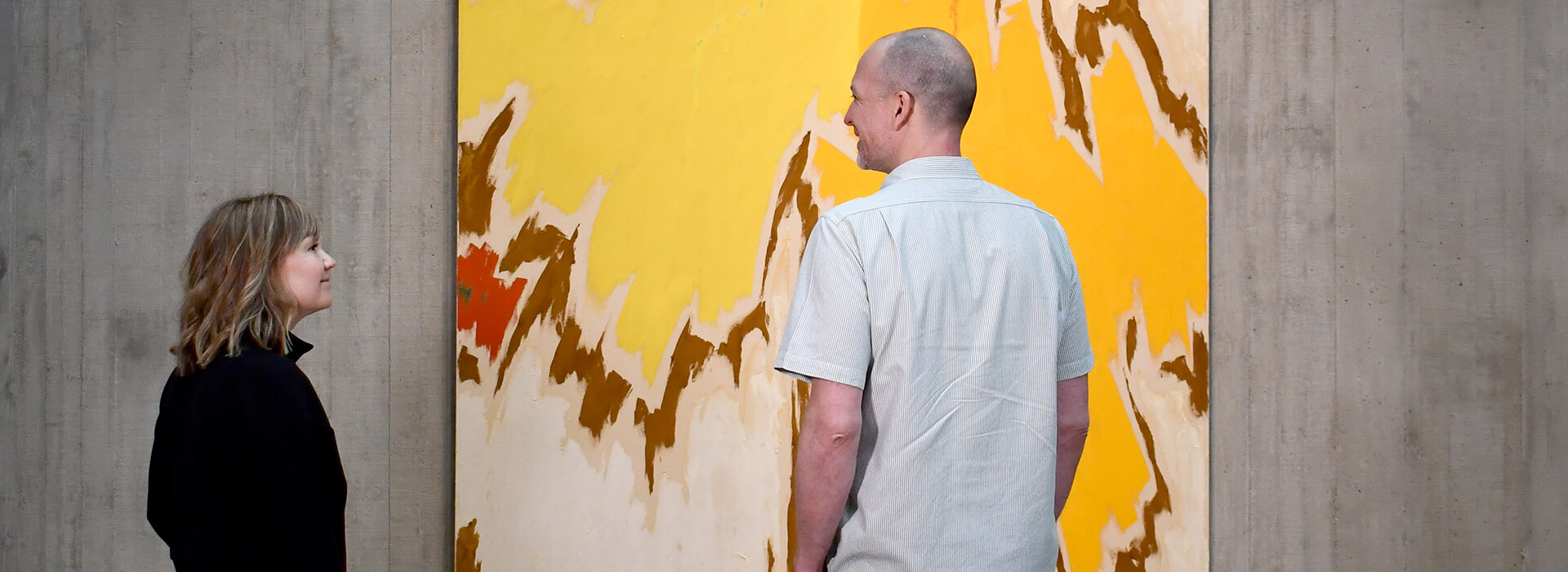
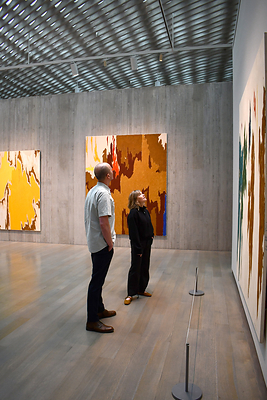
Co-curated by Bailey Placzek and British multidisciplinary artist Ben Coleman, the exhibition unfolds across the museum’s largest galleries, where sound becomes a central element of the viewing experience. Rather than accompanying the artworks, the audio compositions act as parallel interpretations—offering an alternative way of engaging with the painterly language of Clyfford Still.
To develop this approach, the curators invited a group of contemporary artists whose practices intersect with sound and performance. Among them are Maria Chávez, Maya Dunietz, Kalyn Heffernan, Matana Roberts, and Michael Schumacher. Each artist spent time in residence at the museum, selecting a work by Still and composing an original sonic response. These compositions serve as the foundation for each gallery, shaping both the atmosphere and the selection of surrounding works.
The result is an environment where visual and auditory elements are in constant dialogue. Paintings are arranged not only by chronology or theme, but also by tonal and emotional resonance with the sound pieces. This layered approach introduces a rhythm to the galleries, encouraging visitors to move through the space at a slower, more considered pace.
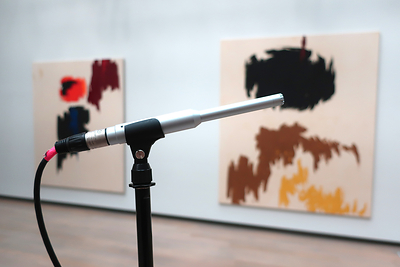
An additional interactive component, developed by Denver-based artist Phillip David Stearns, responds specifically to Still’s pastel works, further expanding the exhibition’s sensory range. Visitors are also able to navigate the experience through a digital guide, which allows for a more individualized journey through both the sound compositions and the museum’s broader collection.
In conjunction with Still in Sound, the museum is celebrating its 15th anniversary through a complementary exhibition titled Celebrating 15 Years: 15 New Paintings in 15 Months. This initiative showcases previously unseen pieces from Still’s archive, revealing artworks created between 1947 and 1973 over time. A chronological arrangement in the initial galleries adds context, placing these pieces within the artist’s developing practice.
With Still in Sound, the Clyfford Still Museum provides a more reflective approach to engaging with abstraction. By combining historical works with modern sound practices, the exhibition offers a fresh perspective—one that encourages visitors to listen as much as they observe.
Brandon Ruffin’s Migration Patterns Explores Identity and Memory Through a Quiet, Cinematic Lens
At the intersection of image-making and cultural reflection, Brandon Ruffin presents Migration Patterns, a solo exhibition opening at the Leica Store Bellevue. On view from April 25 through June 8, the project offers a measured exploration of identity, movement, and memory—topics that continue to shape both contemporary art and fashion narratives.
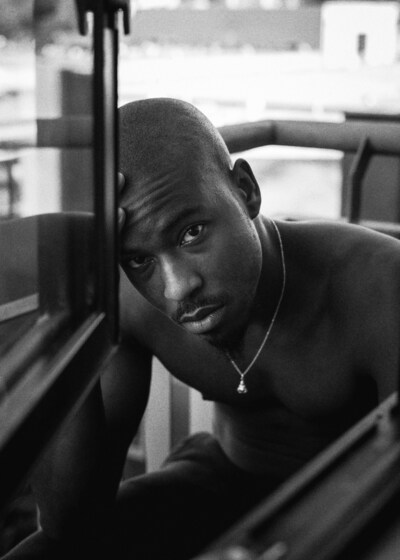
Originally introduced at a Leica gallery in San Francisco, Migration Patterns has evolved into one of Ruffin’s most focused bodies of work. Drawing from his upbringing in the Bay Area, the series reflects on the enduring influence of Southern Black culture in Northern California, tracing how traditions, gestures, and histories are carried across geography.
Rendered in black and white, the photographs prioritize atmosphere over direct documentation. Rather than overt storytelling, Ruffin’s images rely on subtle cues—light, stillness, and composition—to suggest layered narratives. The result is a visual language that feels restrained yet emotionally resonant, where everyday moments take on a quieter significance.
This sensitivity to tone and detail aligns with broader shifts in fashion imagery, where storytelling increasingly leans toward nuance and lived experience. Ruffin’s work, while rooted in photography, echoes this sensibility—favoring intimacy over spectacle and suggesting identity as something fluid rather than fixed.
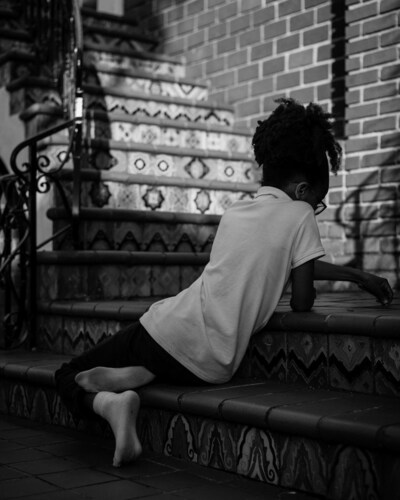
The exhibition is also informed by personal history. As a descendant of families who moved west during the Great Migration, Ruffin approaches the subject from within, examining what is preserved, transformed, or lost over time. His images hold a tension between presence and absence, reflecting the complexities of belonging in a constantly shifting cultural landscape.
Expanding beyond photography, the project incorporates a poetic text by Enjoli Flynn-Ruffin and an essay by Pendarvis Harshaw. Together, these elements frame the exhibition as both visual and literary, reinforcing its layered approach to storytelling.
Ruffin’s practice also extends into technology. As part of a computational photography research team at Google, he contributes to developments in AI-driven imaging while maintaining a focus on human-centered narratives. This dual engagement—between innovation and tradition—adds another dimension to his work, situating it within ongoing conversations about how images are created and understood.
Exhibition Details
- Exhibition: Migration Patterns
- Artist: Brandon Ruffin
- Opening Reception: April 25, 2:00 to 4:00 PM
- Dates: April 25 to June 8
- Location: Leica Store Bellevue, Bellevue, Washington
Leave a Reply
You must be logged in to post a comment.